
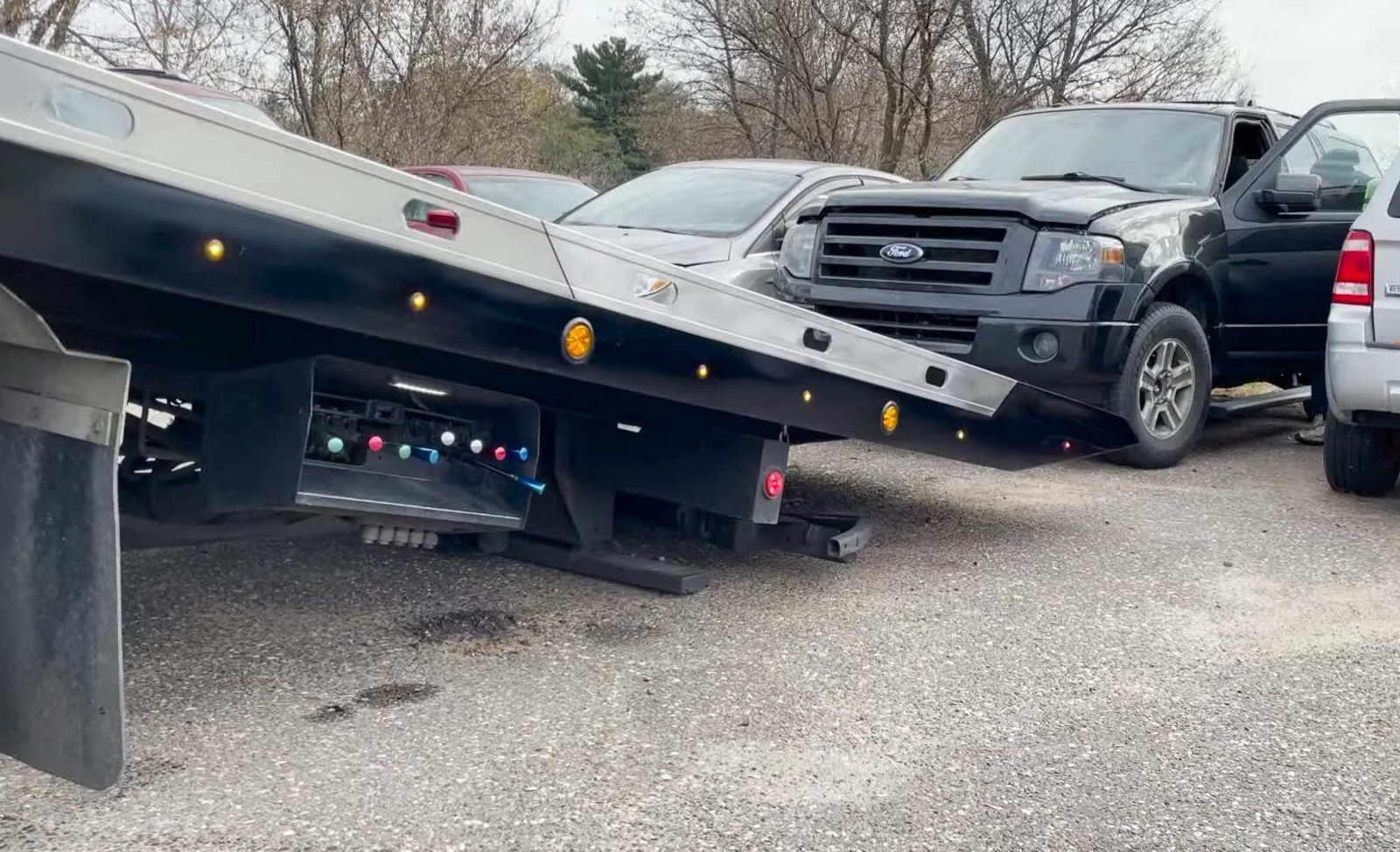
Condition matters
A real example should explain whether the vehicle ran, rolled, steered, or had missing parts.
A useful pickup record identifies the general vehicle condition, access challenge, region, and outcome without exposing customer information or inventing results.
A real example should explain whether the vehicle ran, rolled, steered, or had missing parts.
Driveway space, underground clearance, snow, mud, and blocked vehicles affect the equipment plan.
Photos should avoid faces, documents, plate numbers, addresses, and personal belongings.
The best outcome is not simply a fast pickup or a large headline number. It is a clear vehicle transfer with an understood payment, workable access, correct documents, and a buyer that can handle the actual condition.
A fabricated pickup story may sound persuasive, but it does not help a vehicle owner plan. This page will only present documented submissions or partner examples when permission and enough factual detail are available.
Look for similarities to your vehicle and location. A no-key vehicle on a clear driveway is different from a wheel-less vehicle in underground parking, even if both are the same model.
Take wide photos showing access, four exterior angles, tire position, visible damage, the interior, and the engine area. Hide paperwork and personal information before sharing.
You can want the vehicle gone quickly and still ask for the net offer, payment timing, collector identity, pickup requirements, and transfer record before releasing it.
Read the consumer safety guidesThey are general scrap-vehicle imagery and are not presented as customer case studies.
A submission process can be added when consent, privacy, and verification rules are finalized.
No. Clear phone photos in daylight are usually more useful than polished images that hide access or damage.