Make the right first call
Use the condition guides to compare repair, resale, parts, and recycling without assuming that every damaged vehicle is only worth its metal weight.
Start with the condition that best describes your vehicle, then explain what it can still do, what is missing, and what a collector needs to know before pickup.
Use the condition guides to compare repair, resale, parts, and recycling without assuming that every damaged vehicle is only worth its metal weight.
The exact failure, completeness, reusable parts, documents, location, and demand can matter more than a general label such as junk or damaged.
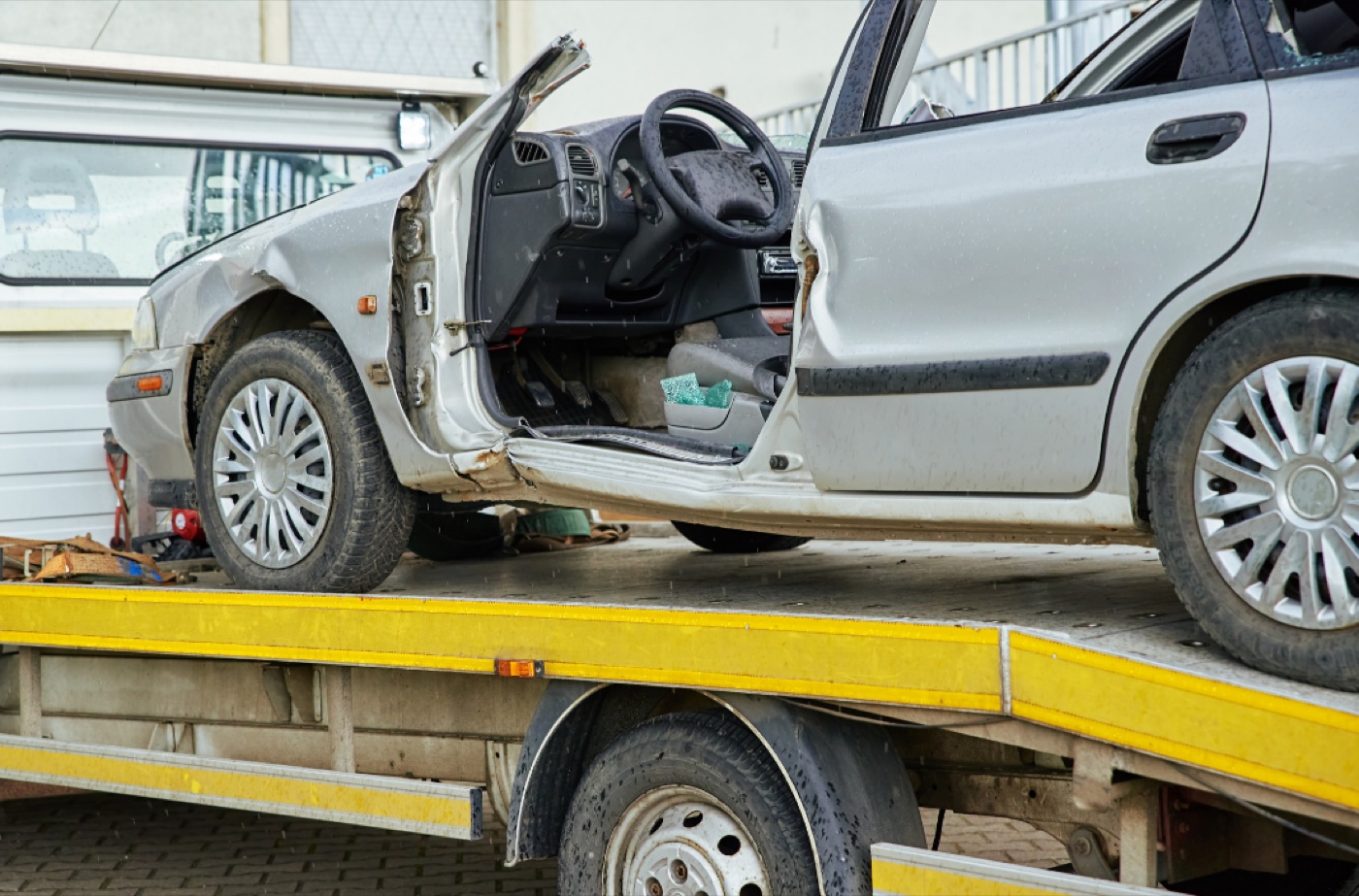
Keys, wheels, steering, drivetrain position, structural safety, surface, and truck access determine how the vehicle can be collected.
The best outcome is not simply a fast pickup or a large headline number. It is a clear vehicle transfer with an understood payment, workable access, correct documents, and a buyer that can handle the actual condition.
Choose the closest condition below, then add the observable facts. Say what happened, whether the vehicle starts, rolls, steers, and shifts, which major parts are missing, and where it is parked.
Do not guess at a diagnosis or hide flood, fire, structural, battery, insurer, lien, or ownership issues. A clear description gives the buyer a chance to plan accurately and helps you compare offers on the same facts.
Open the matching condition guide, gather current photos and documents, and request an as-is quote before paying for repairs, stripping parts, or arranging a separate tow.
You can want the vehicle gone quickly and still ask for the net offer, payment timing, collector identity, pickup requirements, and transfer record before releasing it.
Read the consumer safety guidesChoose the most important issue affecting safe use or pickup. You can include every additional problem in the quote form.
Describe the symptoms and what the vehicle can do. You do not need to invent a mechanical diagnosis.
Possibly. Acceptance depends on ownership, location, completeness, access, and whether the buyer has suitable equipment and a responsible receiving route.